I think it was about time to see the rise of new artists with a really meticulous attention to details, harmony and layout on the illustration area. Brian Luong is one of this hyper skilled illustrators that can be both perfectionist and stylish at the same time. Today we the opportunity to talk with him about career, life and other subjects, hope you enjoy.
You can see more from Brian Luong on the following links:
1) First of all I would like to thank you for doing this interview, it’s an honor for us to present more about you to our readers. I would like to start by asking you about when you first started getting interested in illustration and art?
I had an interest in drawing throughout my childhood, but I didn’t start taking note of specific illustrators and artists until around my junior or senior year of high school. I started looking around at different artists and illustrators during that time, and pursuing a career in art started materializing as a feasible option.
2) Which artists do you use as reference?
I admire a ton of artists and illustrators. Zach Johnsen, Audrey Kawasaki, Matthew Woodson, Aaron Horkey, and Kilian Eng to name a few. Lately I’ve been looking towards my favorite artists’ work not so much as a reference for my own work, but more so to avoid doing what they’re doing/avoid things that have already been done.
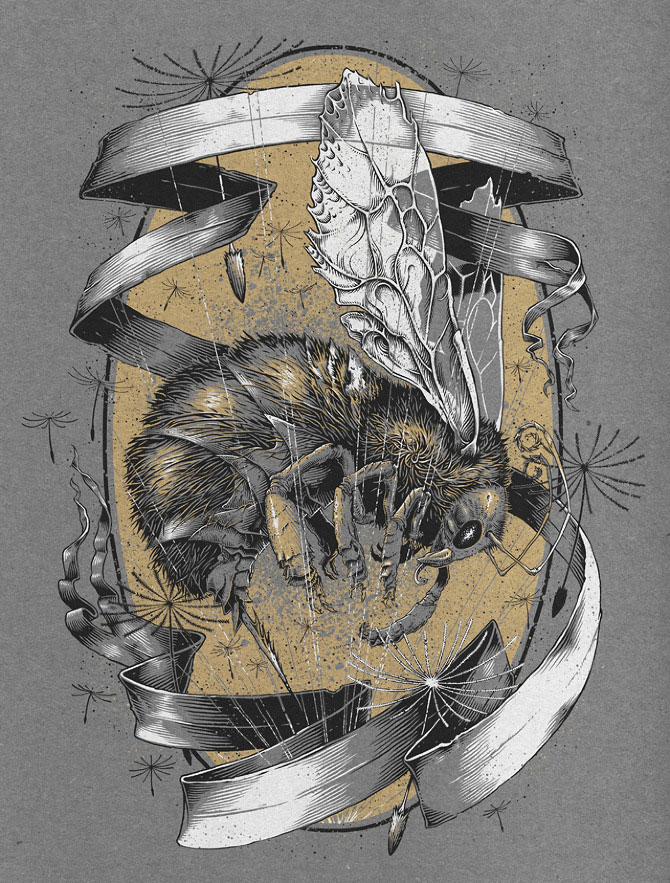
3) Your style is quite influenced by classic art styles. How did you develop this style and how would you describe it?
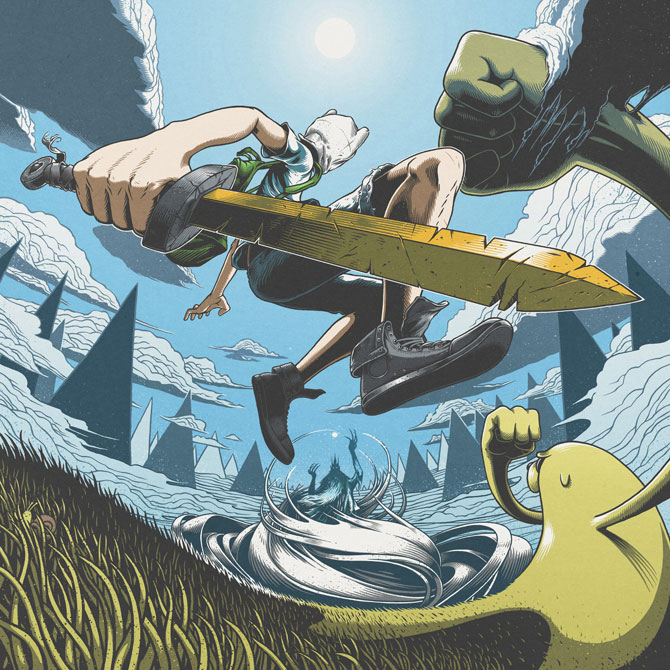
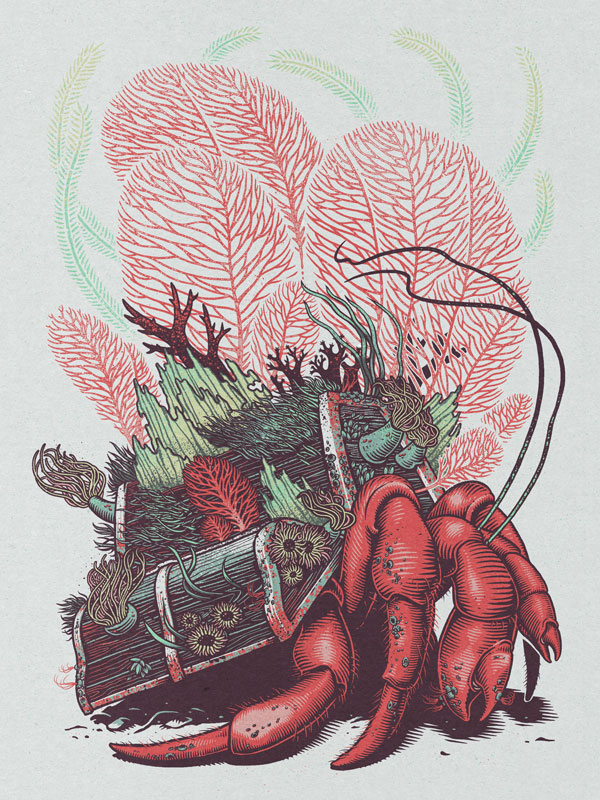
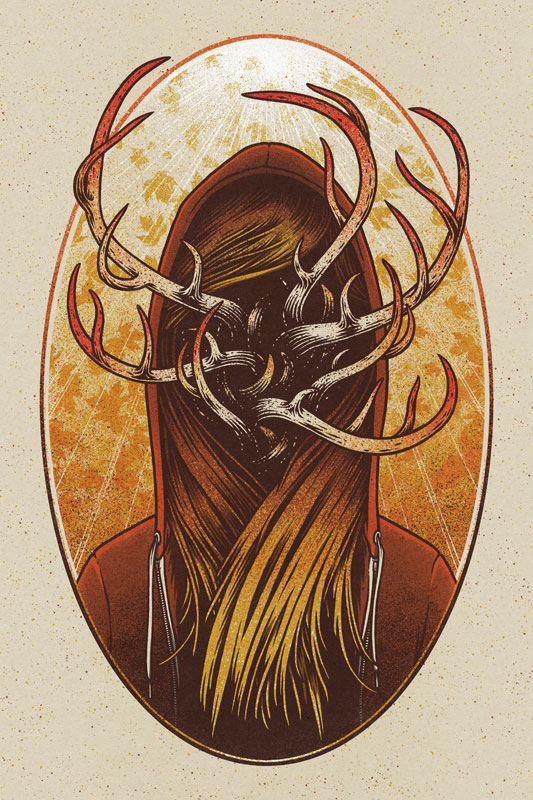
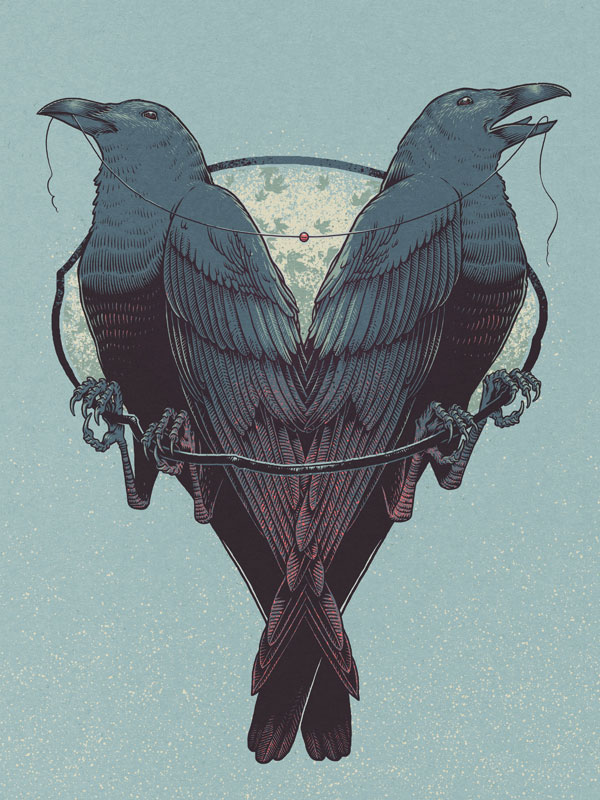
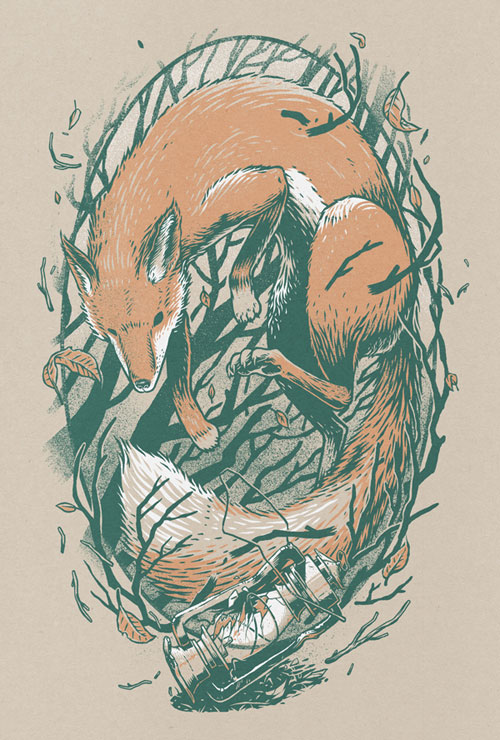
I saw a lot of classical art during my time in art history courses throughout college and really liked it. I also was introduced to Aaron Horkey’s work later on and believe that seeing his work played a huge role in the development of my style. The style my work portrays nowadays is a culmination of the various techniques that I’ve admired throughout the years, and I would describe it as a combination of methodical hatching, broad fills of toned-down color, lightly sanded and finished with specks of color and distress.
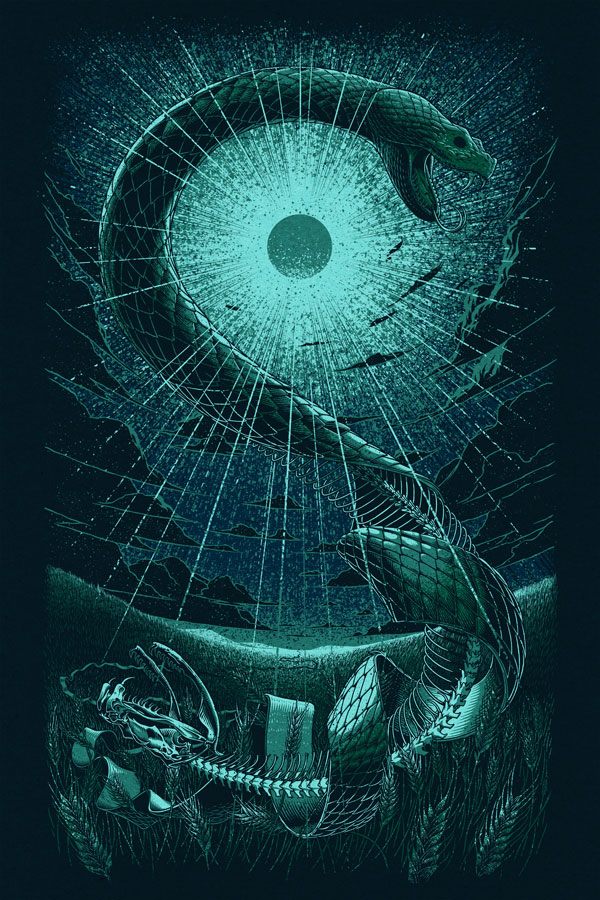
4) Describe us a bit about your creative process while creating a piece.
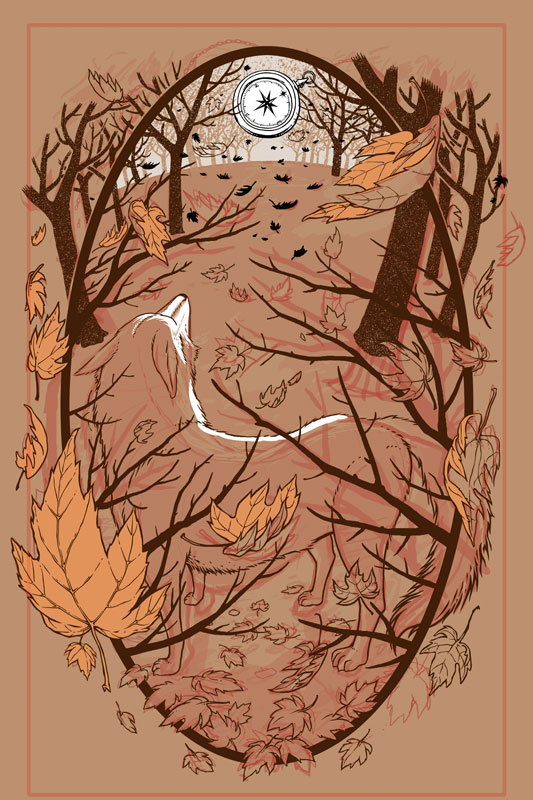
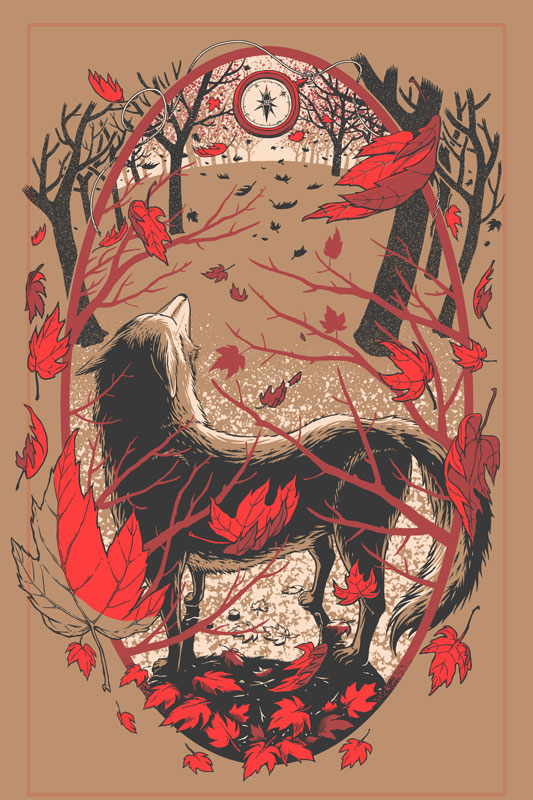
My creative process is fairly straightforward, I think. First I’ll roughly sketch out my illustration in Photoshop and tighten it up as I go along. If I’m not quite sure what I wanted to draw and just jumped into sketching anything that came to mind, then the sketching phase usually takes awhile as I try to develop a concept along with the sketch. After my sketch is done and tightened up a bit, I’ll start working on drawing out the final linework. Getting the lines drawn out usually takes me the longest. After the lines are established, I add colors and effects, and finish up the piece by finalizing colors and adding some subtle textures.
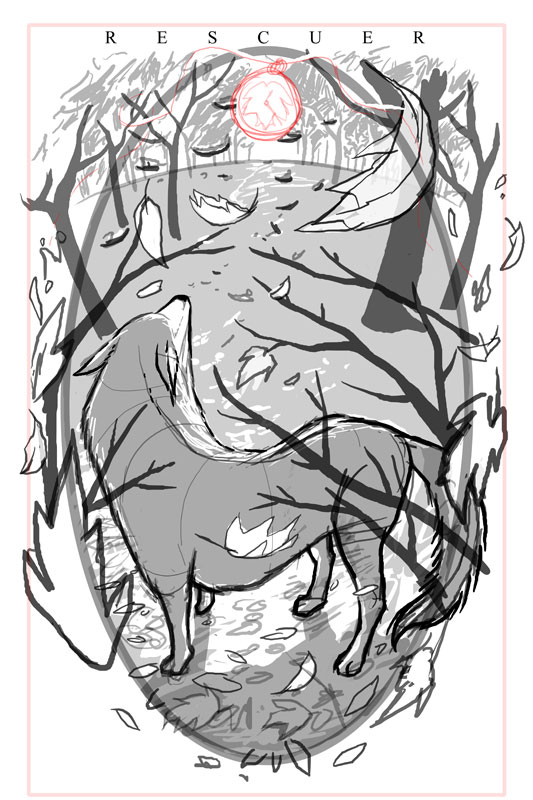
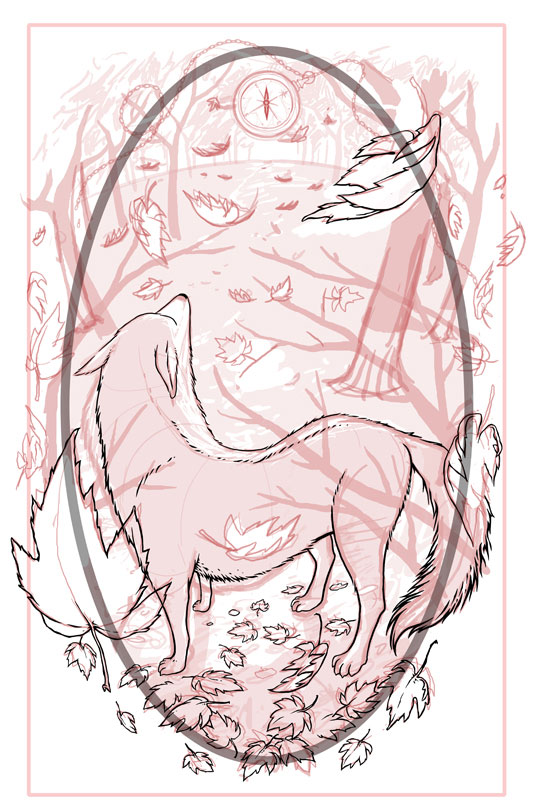
5)What’s would you consider the best moment on you career till now and what would be the worst one? Please share with us more about your path.
I feel that I’ve been extremely fortunate in my career so far (knock on wood) and my worst moment isn’t so bad at all. I was working on an illustration for a client and everything was going swell. I sent off the final artwork thinking that I was going to knock the socks off my client, but then the client emailed back to say that he was disappointed in the final art. That hit me hard, but I learned a great lesson through that experience. In the end I made revisions and updates to the artwork and they really loved it, and everyone was happy.
As for best moment, that’s a tough one since there are a couple of moments I can pick from. One moment that stands out to me the most was when my work was featured over at Change the Thought. The site was one of my first go-to sites for finding out about new artists when I was first getting into art and I followed the site for quite some time, so when I found out that my work was featured on the site I was super excited about it.
6) How do you describe your daily routine?
I wake up and do some menial tasks around the house. Then I’ll check my email, reply, and then start working for the day. I usually continue working throughout the day, with breaks in between, until I go to bed.
7) What’s your favorite media to work with and why?
Right now my favorite media to work with is digital. When I work digitally, there’s practically no set-up time. I don’t have to clear my table for space, take out my materials or mix my colors. I just turn on my computer, open up Photoshop and I’m good to go. I also don’t have to worry too much about making mistakes thanks to the ability to undo and create multiple files of my piece at various stages of the process. The big downside to working digitally is not having a tangible piece of work after the work is complete without having to take the extra step of printing the work.
A close second would be working with ink pens. The simplicity of just worrying about my linework and not having the undo function to save me is a nice change of speed from working digitally.
8) Tell us five lessons you believe are really important for every illustrator.
1: Even when you’re at the point where you feel like you’ve pushed yourself to your very limit, there’s actually always some more room to push yourself further. Take a short break and come back to your work with fresh eyes.
2: Learn how to take a critique without taking it too personally. It’s a challenge at times, but you’ll benefit more from the feedback if you listen objectively.
3: You will experience failure at some point during your journey as an artist/illustrator, and that is completely fine and normal; failure and hardships are required for strong growth.
4: Be humble about your craft.
5: An obvious one, but practice practice practice. Reading up on illustration and art technique helps out a lot, but the real progress is made when you’re working with your mediums of choice and practicing the techniques you’ve been reading about.
9) Tell us five websites that you like to visit.
10) Thanks again for your time, please leave a final message for the ones who are starting out on this kind of business.
Take in a lot of stimulus; look at a lot of art, photography, and reference material. Read books and watch movies. Take a look at some books on illustration/graphic arts and learn more about the legal side of the field. Create the art you enjoy creating, and don’t give up.
GIVEAWAY
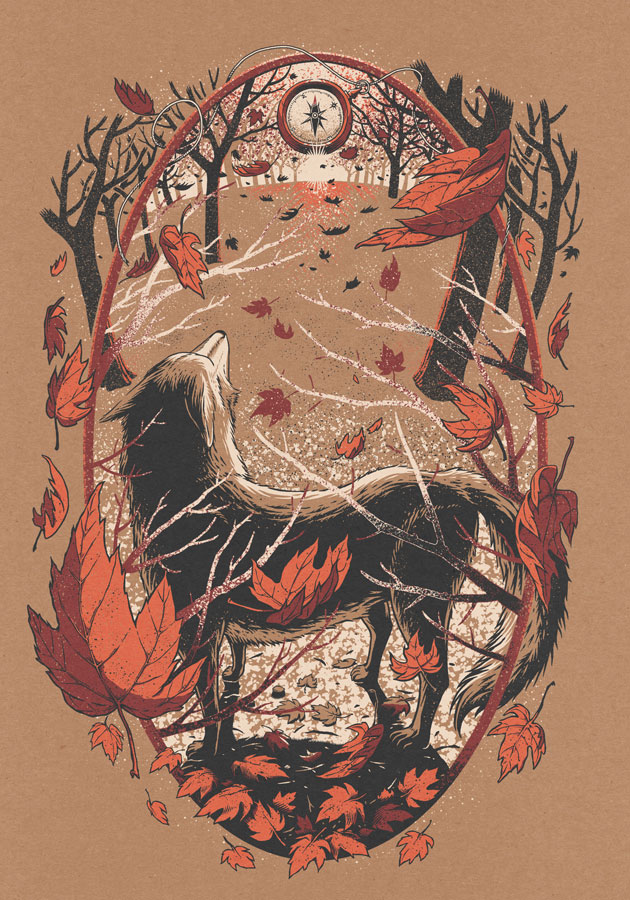
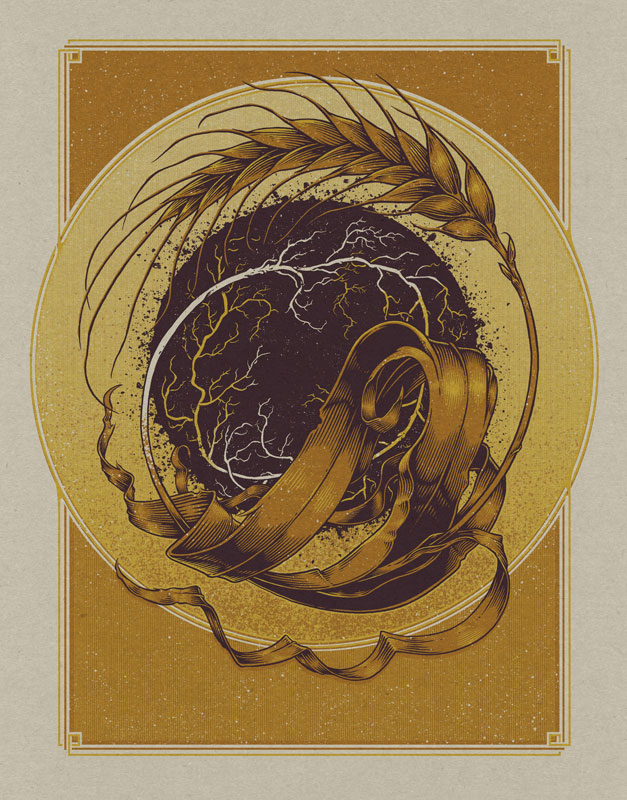
Brian was kind enough to make a giveaway of this poster, so If you’re willing to participate on this giveaway you just need to answer the following question on the comment box:
What should be the name for this poster? + your email adress
The winner will announced next week on this same post, stay tuned.
On the meantime you can see more posters at his Store